Written by Mathew Malwitz
Edited by (theH0YA)
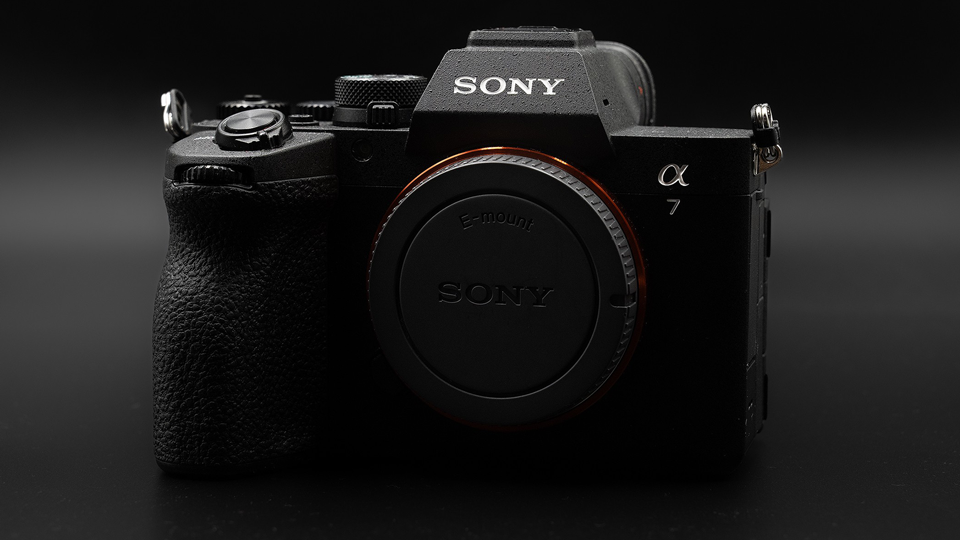
The Sony A7 IV is widely regarded by photographers and videographers as a legendary camera. While it might seem unusual to open a review of its successor, the A7 V, with praise for the previous generation, this baseline is crucial for truly appreciating how far the new model has come.
To cut straight to the chase: the Sony A7 V retains the familiar, excellent ergonomics and handling of its predecessor while delivering the critical hardware and performance upgrades that creators have been craving.
1. The Perfect Blend of Tilt and Flip: 4-Axis Multi-Angle LCD
The most immediate physical upgrade is found on the back of the camera. The mode dials, control wheels, and primary buttons remain exactly where A7 IV users would expect them, making the transition seamless.
However, the rear display is a completely different story. It now features a 3.2-inch, 2.1-million-dot 4-axis multi-angle touch LCD. This hybrid design combines the speed of a traditional tilt screen with the framing freedom of a side-opening flip screen. Whether you are quickly snapping low- or high-angle stills or looking for stable video monitoring, this screen adapts perfectly to any shooting environment.
2. Blazing Speed Powered by a Partially Stacked Sensor
While the A7 V maintains a similar resolution to its predecessor (around 33 megapixels), what is under the hood has been completely reimagined. It features a newly developed partially stacked CMOS sensor that dramatically accelerates data readout speeds.
Thanks to this architecture, rolling shutter (the "jello effect") has been drastically reduced, enabling a stunning 30 fps continuous shooting speed with zero blackout. Complemented by an upgraded 3.96-million-dot electronic viewfinder (EVF), you can track fast-moving subjects with a seamless, lag-free view.
3. AI-Driven AF and Flight Sequence Tracking
The true power of the A7 V shines when shooting wildlife, such as capturing bird flight sequences in the field. Powered by an enhanced AI processing unit, the camera locks onto and tracks individual subjects (birds, animals, etc.) with relentless precision. The resulting images are incredibly sharp, demonstrating a next-level leap in autofocus tracking stability.
4. 16 Stops of Dynamic Range and the New Light RAW
The new sensor is not just about speed—it also brings meaningful upgrades to image quality and latitude. Sony claims the A7 V delivers 16 stops of dynamic range (DR), a 1-stop improvement over the previous model. In practice, this provides significantly more flexibility when recovering shadows or preserving highlights during post-processing.
Additionally, alongside the existing Compressed HQ RAW and Lossless Compressed RAW formats, Sony has introduced a new "Lightweight RAW" option. This format optimizes file sizes to save memory card space, making it a highly anticipated feature for both high-volume commercial photographers and enthusiasts alike.
📷 Editor's Comment
"Sony has finally brought a taste of stacked sensor technology to its mainstream 'all-rounder' A7 lineup. Keeping the well-balanced 33MP resolution while eliminating rolling shutter and adding blackout-free 30 fps bursts means this camera is aggressively stepping into high-end flagship territory.
The addition of the 4-axis multi-angle LCD, 16 stops of DR, and Lightweight RAW proves that Sony is genuinely listening to what creators need in the field. The A7 V is bound to be a major disruptor in the mirrorless market this year." _ - Editor expellion
🏷️ Tags
#SonyA7V #A7V #SonyMirrorless #A7VReview #FullFrameCamera #PartiallyStackedSensor #4AxisLCD #CameraRumors #TechBlog #expellion #theH0YA