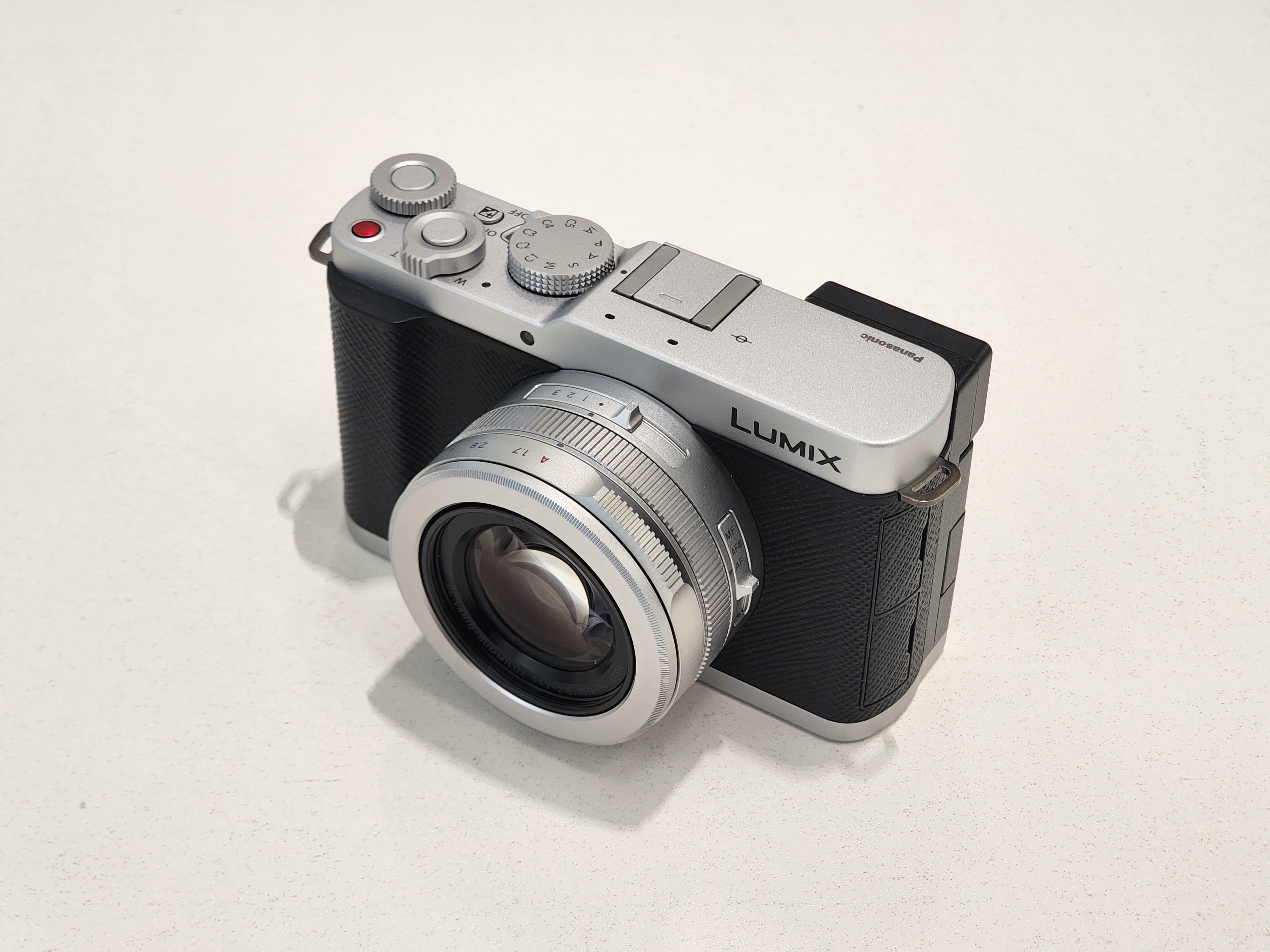
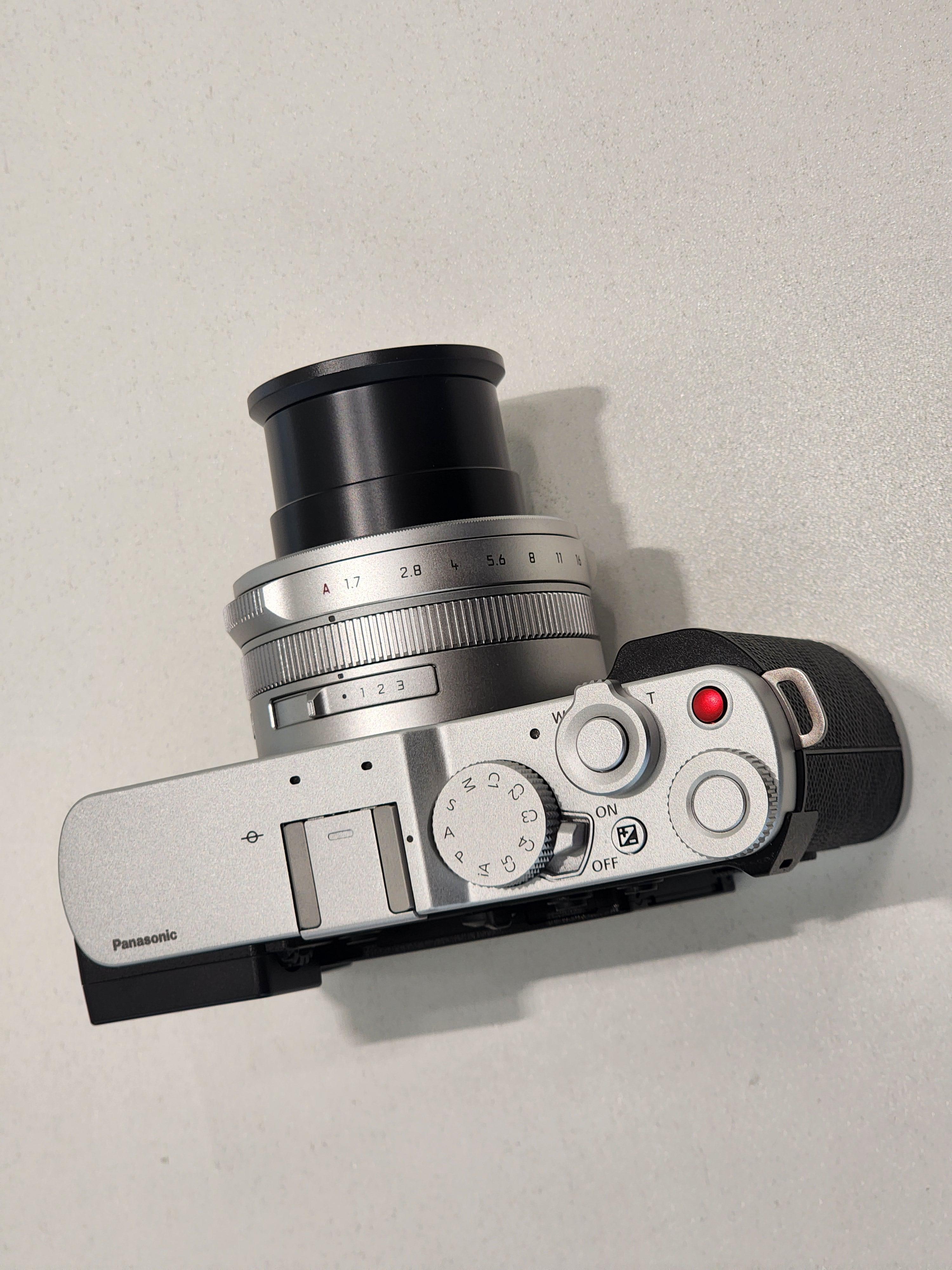
Today, I’d like to take a deep dive into the LUMIX L10 (DC-L10), recently released by Panasonic Korea to celebrate the 25th anniversary of the LUMIX brand. This is a highly versatile camera that is set to shift the paradigm of the high-end compact camera market.
While inheriting the authentic premium compact design of the legendary LX100 series, its core is packed to the brim with high-end photo and video technologies equivalent to Panasonic's flagship mirrorless lineups.
Weighing in at a portable 508g, the LUMIX L10 targets both street photographers who enjoy daily snapshots and solo content creators looking for crop-free 4K 60p and high-speed 4K 120p video. Let's break down the real-world pros and cons of this camera without filtering anything out.


Why I Bought It
I have been a loyal user of Panasonic's high-end compact cameras, tracing my steps all the way from the original LX100. Hearing the news that the specs received a massive, unprecedented upgrade, I decisively made up my mind to make the purchase.
Well, to be completely honest... as always, I just really wanted a shiny new gadget...


🟢 MAJOR STRENGTHS: The Features You Can't Miss
1. The Meeting of a Four Thirds BSI Sensor and Legendary Leica Optics
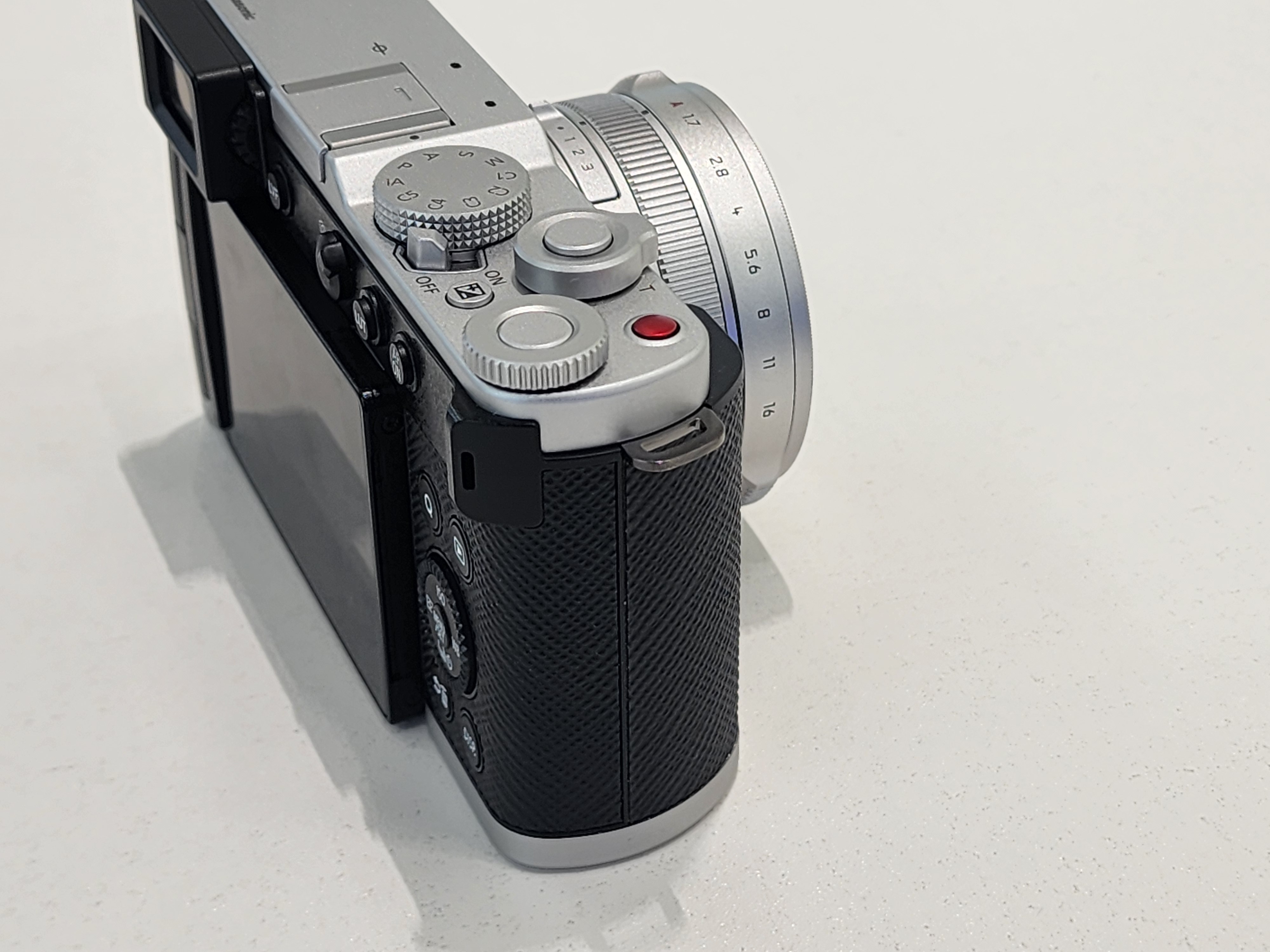
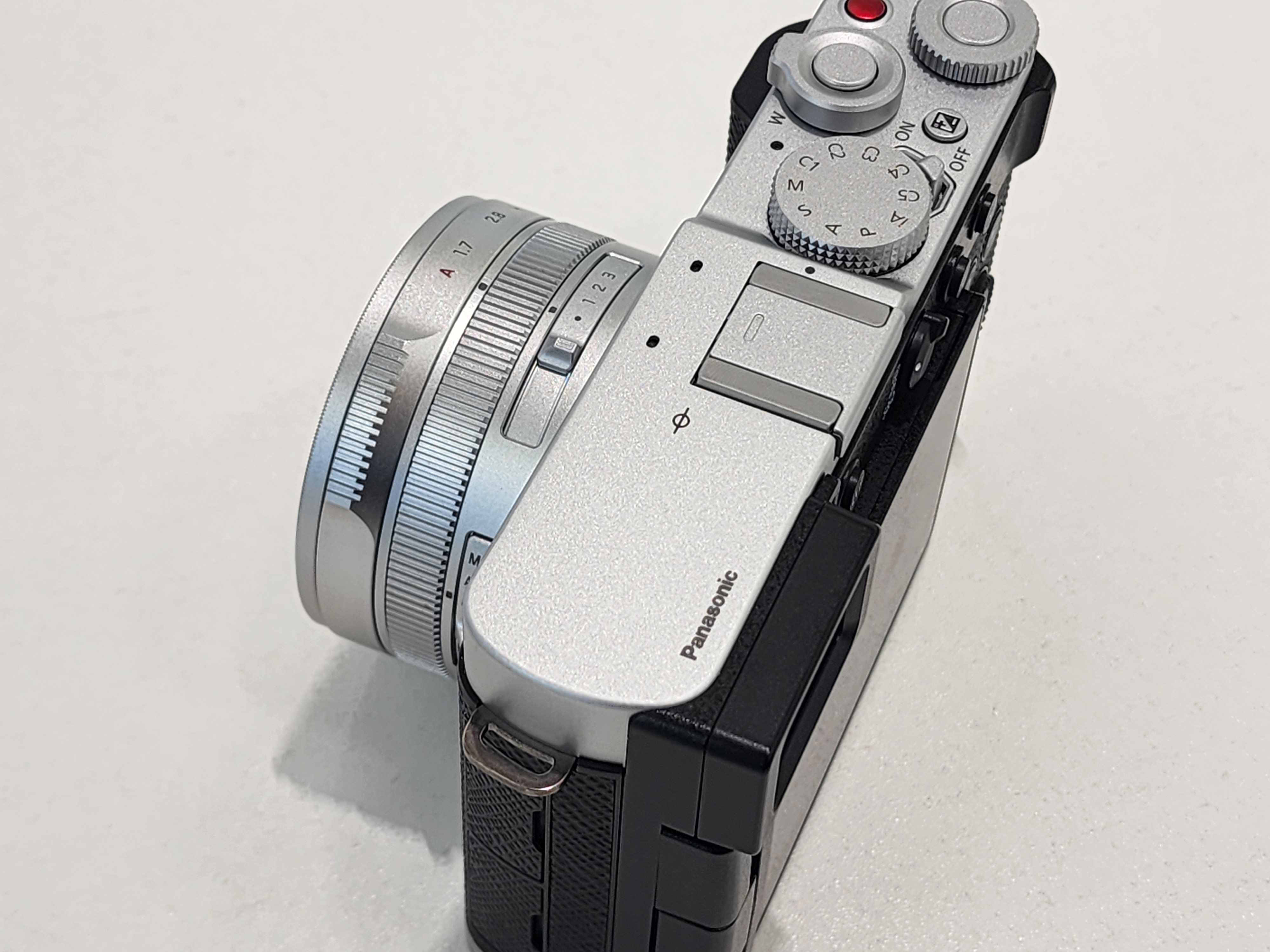
- LEICA VARIO-SUMMILUX Lens: Covering a 35mm equivalent focal length of 24-75mm, it features a bright variable aperture of F1.7 at the wide end and F2.8 at the telephoto end. It delivers beautiful bokeh and outstanding low-light performance. It also supports close-up macro shooting down to 3cm from the lens.
- 20.4MP BSI Sensor & Multi-Aspect Ratio: The built-in Dynamic Range Boost delivers incredibly rich tonal gradations. Furthermore, it inherits the classic multi-aspect system, allowing you to switch between 4:3, 3:2, and 16:9 ratios without any loss in the diagonal field of view.
- This is a body with a rock-solid foundation.
💡 My Personal Thoughts: The combination of the time-tested Leica zoom lens and a Four Thirds sensor remains nothing short of a cheat code for daily snapshots. In particular, LUMIX's signature multi-aspect ratio is an irreplaceable asset; being able to effortlessly switch to a 3:2 ratio for Instagram or a wide 16:9 without losing your wide field of view makes framing incredibly satisfying. Thanks to the bright F1.7 aperture, I can snap crisp, shake-free images inside cafes or down dark alleys at night, leaving absolutely no room to doubt its core performance.
2. Monster Video Specs that Break the Boundary of Compact Cameras
- Crop-Free 4K 60p: When shooting in 4K 60p, the image doesn’t get cropped at all, allowing you to fully utilize the ultra-wide 24mm angle of view.
- 4K 120p High-Speed Shooting: For the first time in a compact camera body, it supports 4K 120fps high-speed shooting, enabling incredibly cinematic and emotional slow-motion footage.
- 4:2:2 10-bit & Internal V-Log Recording: It records professional-grade color profiles internally to the SD card, offering massive color-grading flexibility in post-production without needing an external recorder.
- Unlimited 4K 60p (and below) Recording: Designed with a highly efficient heat-dissipation structure, this ultra-compact body allows you to record video endlessly with no thermal time limits.
💡 My Personal Thoughts: Frankly, I believe the true identity of the L10 lies in video rather than photography. Getting crop-free 4K 60p and internal 10-bit V-Log recording with unlimited runtime in a compact body of this size is a technological miracle. On top of that, they threw in 4K 120p slow-motion, which means you can capture fast-moving kids or fleeting, moody vlog moments with the quality of a primary cinema rig. It has completely pushed the standards of high-end compacts beyond the horizon.
3. Convenient Features Tailored for Creators
- Featuring a 779-point Phase Hybrid AF system combined with AI-based subject recognition, it never loses track of moving targets.
- Equipped with a fully articulating (Free-Angle) touch monitor, the UI automatically rotates to a vertical layout when shooting vertically, giving you a massive advantage for creating short-form content (Instagram Reels, YouTube Shorts, TikTok).
- It seamlessly pairs with the new 'LUMIX Lab' smartphone app, letting you apply custom Magic LUTs and transfer files at ultra-high speeds.
💡 My Personal Thoughts: Panasonic has finally nailed Phase Detection AF in a compact body, and it’s clear they deeply understand the current short-form video trends. The subtle detail of the UI shifting into a smartphone-like vertical layout when you flip the camera vertically dramatically reduces shooting fatigue for Reels and Shorts. On top of that, the workflow of taking custom LUTs made in the 'LUMIX Lab' app, applying them on-site, and sending them instantly to a phone is the ultimate weapon for modern creators who value speed.


🔴 CRITICAL WEAKNESSES: Things You Must Know Before Buying
As brilliant as the pros are, there are clear, practical trade-offs that come with packing this much tech into a high-end compact body.
1. Fatal 'Power Zoom' Motor Noise 유입 during Video (★ Crucial for Real-world Use)
- The Leica lens mounted on the LUMIX L10 utilizes an electronically driven Power Zoom mechanism.
- Because of this, if you operate the zoom toggle while recording video, the subtle mechanical hum of the internal lens barrel moving is captured clearly by the built-in microphones. If you frequently zoom in and out while filming in quiet environments, you face the inconvenience of having to mount an external shotgun or wireless microphone onto the hot shoe.
💡 My Personal Thoughts:
Boosting the video specs to cinema-grade levels only to have the mechanical "whirring" of the power zoom bleed into the internal audio is a painful design contradiction. If you mostly shoot stills or prefer locked-off, fixed focal length videos, it won't bother you. But for vloggers who care about ambient field audio and like to zoom during a take, this motor noise is bound to be a major annoyance. To achieve pristine, high-quality hybrid videos, consider an external directional microphone an essential accessory rather than an option.
2. Degraded Portability and Bulkier Dimensions Compared to the Predecessor (LX100M2)
- Increase in Weight and Thickness: While the previous LX100M2 weighed a nimble 392g, the new L10 has jumped to approx. 508g, marking an increase of over 110g. The body has also grown noticeably thicker to accommodate the articulating screen hinge and the thermal cooling vents required for unlimited 4K recording. This is no longer a pocketable camera you can slip into a jacket; you have to accept the bulk of a small mirrorless system.
💡 My Personal Thoughts: I guess physics always wins in the end. In exchange for a fully articulating screen and internal cooling sheets for unlimited recording, we effectively have to say goodbye to the true identity of a 'featherlight, pocket-sized compact'. A weight of 508g feels much denser in the hand than it looks, and users expecting the breezy portability of the older LX100 series will experience massive lifestyle friction. Its footprint is basically identical to a micro-mirrorless body paired with a compact zoom lens, making a dedicated camera bag or a sturdy neck strap a necessity.
3. Altered Physical Button Layout & Omission of the Included External Flash
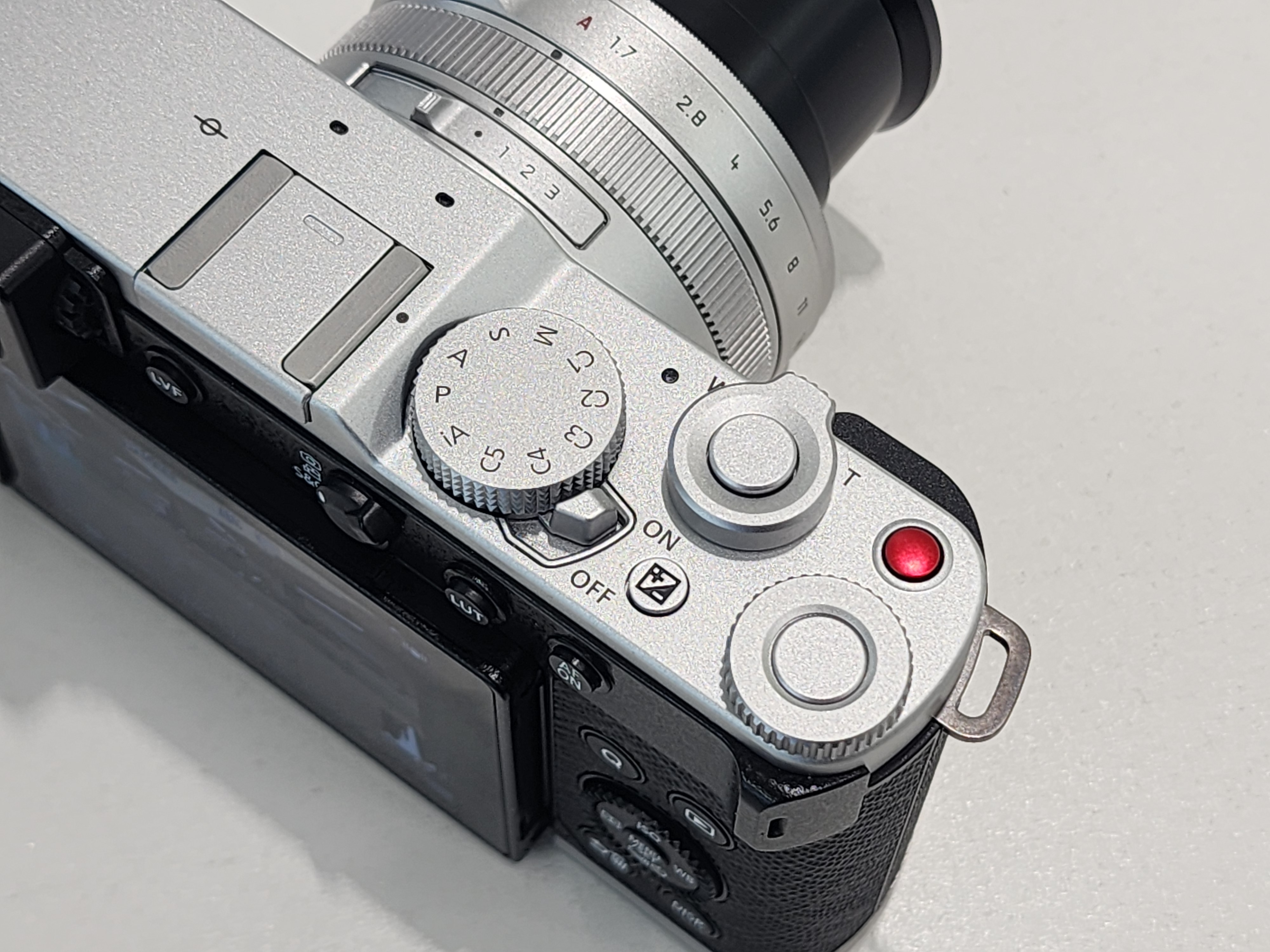
- Changed Physical Controls: Compared to the LX100M2, which was highly celebrated for its tactile analog dials, the physical layout of the buttons on the top and rear plates has changed significantly. Veterans who have developed muscle memory over years of using the LX100 series will likely face a learning curve and occasional mis-clicks until they adapt.
- No Packaged Flash: Just like its predecessor, the camera lacks a built-in popup flash. However, while the LX100M2 included a small external bundle flash inside the box to solve low-light scenarios, the L10 completely omits this flash from its standard packaging—despite a significant price hike. If you want to capture that trendy, hard-direct-flash retro compact camera aesthetic, you are now forced to purchase a separate external speedlight.
💡 My Personal Thoughts: For longtime users who love the muscle memory of the older LX100 series' analog tactile dials, this layout change might feel a bit jarring and disappointing at first. However, what feels even more frustrating is Panasonic's "package diet." Taking away the external bundle flash that used to be included for free—especially after pushing the price tag well over the 2-million-won mark—feels incredibly stingy. If you want to enjoy that retro direct-flash look that's so popular right now, you're looking at forced extra spending.
4. The Steep Barrier of a 2-Million-Won Price Tag
- The standard Black and Silver editions are priced at 2,090,000 KRW, while the Titanium Gold edition, scheduled for a July release, is set at 2,190,000 KRW. Considering this is a fixed-lens camera that does not allow you to change optics, it’s a difficult price tag to swallow and will certainly polarize buyers, as this budget easily puts entry-level full-frame mirrorless kits within reach.
💡 My Personal Thoughts: A point-and-shoot compact camera crossing the 2-million-won threshold makes the psychological barrier to entry feel exceptionally high. After all, the inherent limitation of a fixed-lens camera remains. This amount of money can easily buy a highly competitive full-frame mirrorless body paired with a solid prime lens, forcing you to think twice. Unless you are the exact target user who explicitly wants a gorgeous, self-contained classic body to "do it all at a flagship level without ever dealing with the stress of swapping lenses," it is a hard price to broadly recommend.
📊 Panasonic LUMIX L10 Key Specifications Summary
| Key Item | Technical Specs & Performance |
| Sensor / Resolution | 4/3型 (Four Thirds) Back-Illuminated (BSI) CMOS / 20.4 Megapixels |
| Built-in Lens | LEICA DC VARIO-SUMMILUX 24-75mm (F1.7-2.8) / Electronic Power Zoom |
| AF & Continuous Burst | 779-Point Phase Hybrid AF + AI Recognition / Max 30fps via Electronic Shutter |
| Video Capabilities | 4K 60p Crop-Free (Full Readout) / 4K 120p High-Speed Frame Rate |
| Video Codecs | Internal 4:2:2 10-bit Recording, Native V-Log & Real-Time LUT Support |
| Recording Limit | Unlimited continuous recording for 4K 60p and below (Thermal cooling hardware) |
| Key Weaknesses | Motor noise 유입 when zooming, increased weight (508g), and altered physical layout vs. LX100M2 |
| Domestic Price (KRW) | Black & Silver: 2,090,000 KRW / Titanium Gold (July): 2,190,000 KRW |
💡 Total Verdict
The Panasonic LUMIX L10 is a camera where the pros and cons stand in stark, dramatic contrast.
The lens motor noise during zoom operations, the heavier 508g body weight compared to the LX100M2, and the heavy 2-million-won price tag will undoubtedly act as massive hurdles for casual shooters looking for a lightweight point-and-shoot. The package diet that removed the previously included bundle flash is also an unfortunate misstep.
In return for those drawbacks, however, it offers crop-free 4K 60p unlimited recording, 4K 120p slow-motion, and a creator-centric articulating screen with a vertical UI—specs that easily outclass most compact mirrorless systems. For hybrid creators who want to skip the hassle of carrying multiple lenses and extract cinematic daily videos alongside beautiful Four Thirds stills to drop instantly into short-form media, this is a uniquely premium, uncompromising tool worth opening your wallet for—even if it means managing a bit of extra weight and ambient zoom noise.
📌 A Final Reality Check on the Market (The Bottom Line): Right now, for reasons unknown, consumer demand is absolutely through the roof, yet severe supply chain issues mean that even if you have the cash ready, securing one is like catching a falling star. It feels as though Panasonic threw their oars into the river right when they should have been rowing hard with the tide, making the initial stock availability deeply disappointing. To make matters worse, the highly anticipated 'Titanium Gold' Edition is vaguely slated for a July domestic release, yet absolute radio silence remains regarding 'when and where' it will actually go on sale, leaving enthusiastic buyers completely in the dark. If you need a camera immediately, I highly recommend turning on stock notifications at official retailers to grab a Black or Silver unit fast, or mentally pacing yourself while keeping a sharp eye out for a surprise drop announcement of the Gold edition.
*This review was compiled based on official press materials provided by Panasonic Korea (Released June 29, 2026).
Tags
#PanasonicLumixL10 #LumixL10 #L10Review #HighEndCamera #CompactCamera #PremiumCompact #PanasonicCamera #LX100M2Successor #4K120p #VlogCamera #ShortFormCamera #LumixLab #MagicLUT #TitaniumGold #L10Cons #L10Stock #CameraReview #HonestReview #theH0YA
'카메라 제품 리뷰' 카테고리의 다른 글
| [Review] Samsung Smart Camera NX3000: An Affordable Y2K Mirrorless Rivaling Fujifilm and Ricoh GR3 (0) | 2026.06.19 |
|---|---|
| 작지만 땅땅한 녀석, 고독스 iT30Pro & TR-O TTL 높이 확장 받침대 조합 (0) | 2026.03.25 |
| [탐방기] 신세계 강남 라이카 스토어 방문기: L마운트 유저가 바라본 라이카 SL3 (1) | 2026.01.19 |
| [비교] 라이트룸, 루미나르, 그리고 DxO... 결국 사진가는 무엇을 선택해야 할까? (1) | 2025.12.27 |
| 📸 캐논 EOS 6 시리즈 혁신의 역사: 대중에게 풀프레임의 문을 열다 (0) | 2025.11.05 |