New production lines in Kumamoto to target 'Physical AI', automotive, and robotics markets Sony takes first step toward R&D-focused 'Fab-light' model—will it widen the gap against Samsung's pursuit?
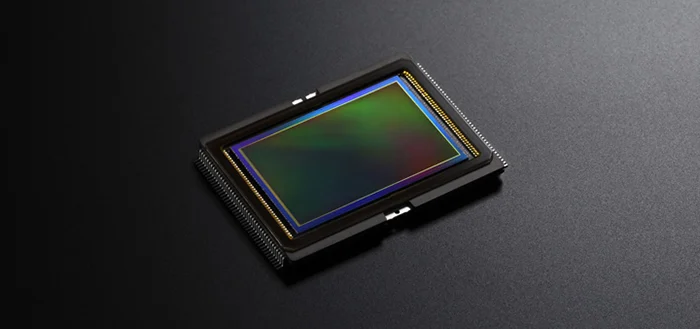
Sony, the undisputed global leader in image sensors, and TSMC, the world’s top semiconductor foundry, are joining forces in a mega-alliance poised to reshape the landscape of the next-generation image sensor market.
According to official announcements, Sony Semiconductor Solutions (SSS) and TSMC have signed a Memorandum of Understanding (MOU) for a strategic partnership dedicated to the joint development and manufacturing of next-generation CMOS image sensors. Following a binding final agreement, the two companies will establish a joint venture (JV), with Sony holding a majority stake to retain management control.
■ Designed by Sony, Built by TSMC: A Joint Production Base in Kumamoto
The core of this partnership lies in the synergy between each company's unparalleled strengths. The strategy combines Sony’s dominant image sensor design expertise and pixel architecture know-how with TSMC’s cutting-edge fabrication technology and global manufacturing scale.
The joint venture's R&D and production lines will be integrated into Sony's newly constructed fabrication facility (Fab) in Koshi, Kumamoto Prefecture, Japan. Having previously co-founded JASM—a semiconductor manufacturing subsidiary in Kumamoto in 2021 that is currently operating successfully—the two tech giants are expected to deliver powerful synergy once again. Sources indicate that this new project will also be backed by substantial subsidies from the Japanese government.
■ Beyond Cameras: Becoming the 'Eyes of AI and Robotics'
While Sony’s sensors have historically dominated the smartphone and digital camera markets, this joint venture is setting its sights on a much broader horizon. In a joint statement, the companies declared that they will expand their scope into the realm of "Physical AI"—technologies where hardware perceives and interacts with the real world, such as autonomous vehicles and advanced robotics.
As the structure of "stacked sensors" (layering pixels and logic circuits) becomes more sophisticated and real-time data processing speed becomes paramount, image sensors are evolving beyond mere image-capture tools into the "brains" of cameras. Incorporating TSMC’s ultra-fine processing nodes (such as 3nm) is expected to pave the way for next-generation vision hardware that boasts ultra-high-speed readout, low power consumption, and the high resolution required for AI models to react instantly in harsh environments.
■ Sony’s Structural Shift: Reducing Capital Expenditure to Focus on Intellectual Property
Sony Group CEO Hiroki Totoki noted that this collaboration marks Sony's first major step toward a "Fab-light" business model—a strategy that slims down heavy manufacturing assets to focus heavily on design and R&D. This signals a departure from Sony's traditional, high-cost internal structure where everything from R&D to fabrication was handled in-house.
Analysts view this move as a strategic maneuver to secure TSMC as an ally and solidify Sony's monopoly in the supply chain, especially as competitors like Samsung Electronics aggressively chase Apple's supply orders. Once the final contract is sealed, the battle for dominance in the future sensor market—powering everything from smartphones to autonomous cars and service robots—is expected to intensify.
✍️ Editor's Note
"A clash of the titans. How will the next-generation sensors—born from Sony's vision and TSMC's engineering prowess—change the way we see the world? Not only will our smartphone cameras get a massive upgrade, but the 'eyes' of autonomous vehicles driving down our streets are about to get a whole lot sharper."
🏷️ Tags
#Sony #TSMC #ImageSensor #SemiconductorAlliance #KumamotoFab #AutonomousDriving #Robotics #PhysicalAI #FabLight #TechTrends